Διαδικτυακό Καζίνο με Αληθινά Χρήματα: Πλήρης Ένδειξη για Κάθε Είδους Στοιχηματιστή
Περιεχόμενα Τι Ακριβώς Διακρίνει ένα αξιόλογο Έμπιστο Καζίνο Επιλογές Πληρωμής και Εξαργύρωσης Τυχερά...
Read More →
Posted onTrustindex verifies that the original source of the review is Google. Best orthopedic doctor in Bareilly Meri beti ko cervical se bahut chakkar aur dard tha,bahut haldi araam mil giyaPosted onTrustindex verifies that the original source of the review is Google. Best ortho in bareilly . Meri mummy ka kulha ki haddi tut gai thee, doctor sahab ne bahut hi kam kharch mein chote cheere se operation kar diya aur wo dusre din se chal rahin hain aur bilkul theek hainPosted onTrustindex verifies that the original source of the review is Google. He is one of the best Doctor. We are very much satisfied with the treatment. I must say .....Every staff member of this clinic was very helpful throughout the treatment. Thank you 😊Posted onTrustindex verifies that the original source of the review is Google. Very excellent. Very reliable Doctor. Nature is excellent and treatment is not expensive.Posted onTrustindex verifies that the original source of the review is Google. best orthopedic for fracture ayushman patient very good carePosted onTrustindex verifies that the original source of the review is Google. Hamari mummy 65 saal ki hain. Slip disc + both-knee osteoarthritis ke saath daily kaam mushkil ho gaya tha. Dr Manoj Agarwal Clinic me very less medicines, detailed precautions, aur physiotherapy-based exercises mile. Posture correction, weight management aur home routine clear tha. 3–4 hafte me pain/stiffness kam hui, ab seedhiyan dheere-dheere aur daily walk possible. Approach long-term aur practical hai. Highly satisfied. ⭐⭐⭐⭐⭐Posted onTrustindex verifies that the original source of the review is Google. Walking Without Pain After Months – Grateful for Dr. Agarwal! Knee osteoarthritis ki wajah se main roz ke kaam mushkil se karta tha, stairs aur walking mein dard hota tha. Dr. Manoj Agarwal sir ne medication, exercise guidance aur lifestyle advice se hi pain kaafi control kar diya. Surgery ki zarurat nahi padi abhi. Sir bahut experienced, samajhdaar aur caring hain, aur unka clinic well-equipped hai.He is the Best ortho doctor in Bareilly.Posted onTrustindex verifies that the original source of the review is Google. Leg Numbness Gone – Back to Work Comfortably! Slip disc ke wajah se leg numbness aur back pain ho raha tha. Dr. Manoj Agarwal sir ne OPD treatment aur physiotherapy plan se symptoms bahut kam kar diye. Ab daily kaam comfortably ho raha hai. Sir ka nature caring aur clinic facilities excellent hain. He is best in ortho and spine care.Verified by TrustindexTrustindex verified badge is the Universal Symbol of Trust. Only the greatest companies can get the verified badge who has a review score above 4.5, based on customer reviews over the past 12 months. Read more
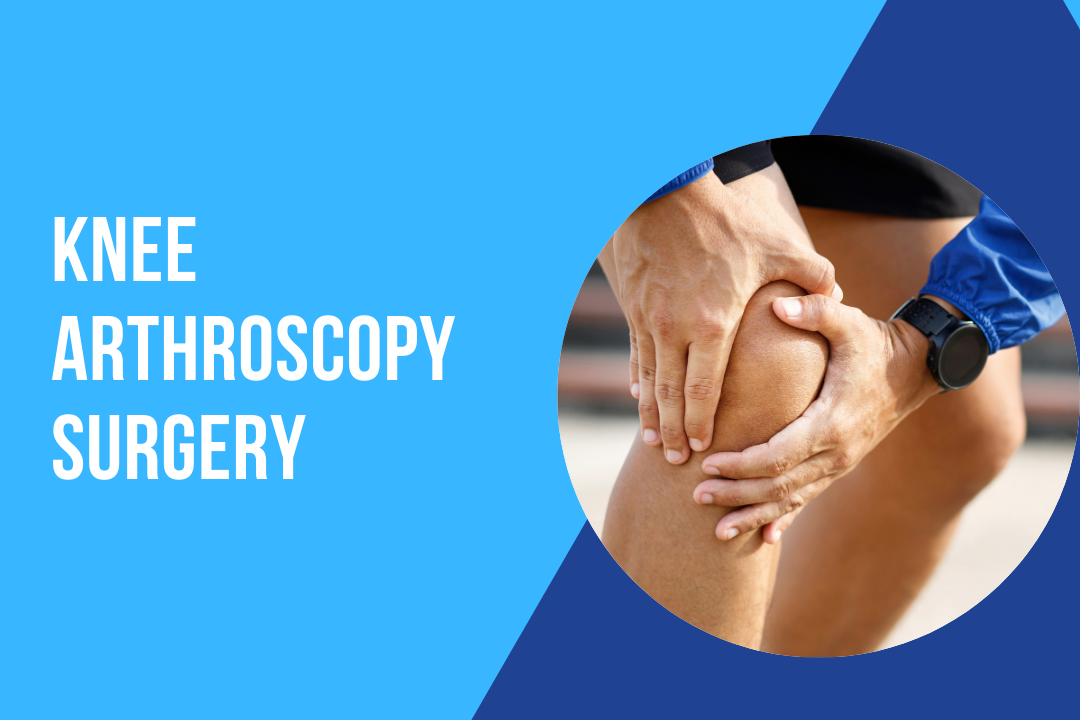
Arthroscopic knee surgery is a cutting-edge, minimally invasive procedure designed to diagnose and treat various knee joint issues. Using a small camera (arthroscope) and specialized instruments, this technique allows surgeons to address problems with precision while minimizing recovery time.
Arthroscopic knee surgery involves inserting a tiny camera into the knee joint through a small incision. The camera displays detailed images of the joint, enabling the surgeon to accurately diagnose the condition and perform necessary repairs, all through additional small incisions.
This approach is commonly used to treat:
The entire procedure typically takes 30 minutes to 2 hours, depending on the complexity of the condition.